webpchecker

Mothers Day Caddis Hatch – the Ultimate Guide

Mothers Day Caddis Hatch – the Ultimate Guide

“The Mothers Day Caddis hatch has started on the Yellowstone River!” Words that send chills up every anglers neck.  Call in sick, use up some vacation time and get on the water sometime between mid-April and the first week of May.  This can be some of the best fishing of the season with the bonus of eager trout, and very few anglers on the water. In light of what should be one of the best Mothers Day Caddis hatches in the past few years we thought we’d give you the ultimate guide to why this hatch fills so many anglers with anticipation.

What’s the big deal with Mothers Day Caddis hatch?

Good question.  Many of our anglers have never experienced how good the spring fishing is in Montana.  The vast majority of anglers focus on the peak summer months, and usually with good reason.  However, image a trout who’s spent all winter surviving the cold Montana winter, subsisting on mostly midges.  Now water temperatures are on the rise, the trout’s metabolism is up and ready to eat everything that drifts nearby.  The spring hatches start with Baetis (Blue Wing Olives) and March Browns finally culminating with the Mothers Day Caddis hatch.  This is an important time for trout to put on some much-needed weight which will sustain them through the annual spring run-off. Of course, our local anglers know this well and have eagerly awaited those warmer water temperatures knowing that the trout will eat with abandon during any spring hatch, especially the Mothers Day Caddis hatch.

What are the keys to a good Mothers Day Caddis hatch?

A full-blown Mothers Day Caddis hatch involves several components, especially on the Yellowstone River. Water temperature is the primary catalyst for a blizzard hatch.  While a trickle of bugs will hatch prior to the magic water temperature a full hatch needs to hit 54 degrees.  Fifty-four that’s the magic number, burn that one into your brain.

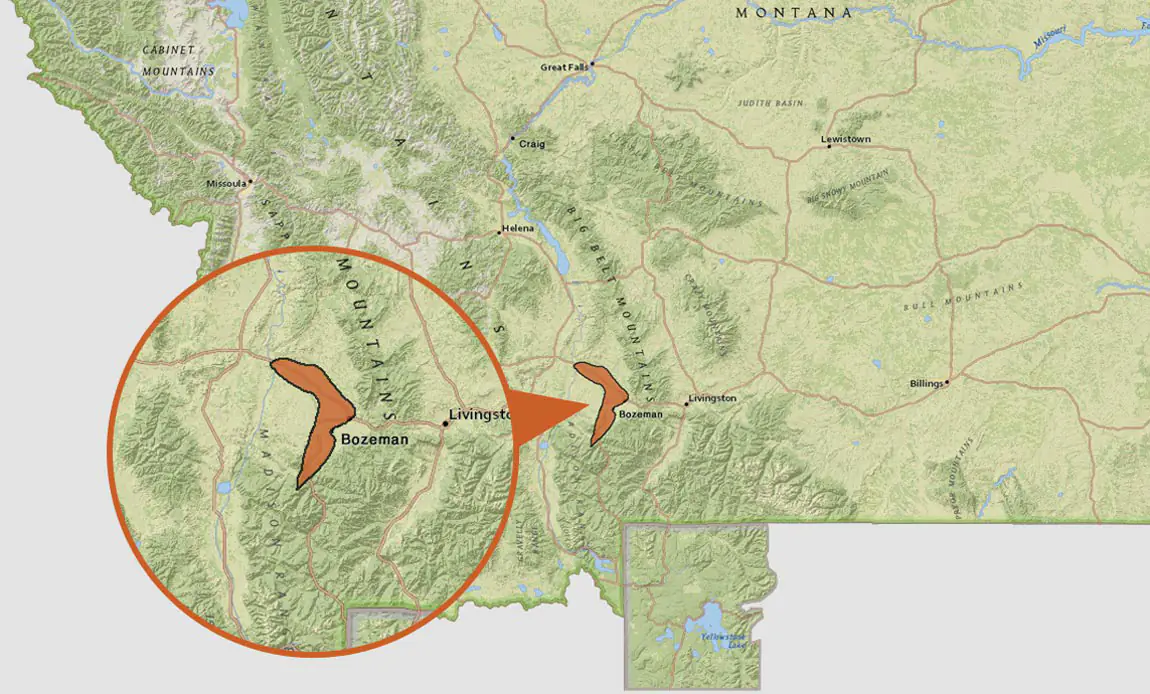
Another key to a full blown hatch is weather. If the weather gets too warm the mountain snows will melt and blow the river out too early and ruin the fish-ability of the hatch.  Too cold and the water temperature will never hit the magic 54-degree water temperatures and anglers will never see a full blown hatch. Fortunately, if the Yellowstone River blows out the Madison River is a tailwater and tends to keep some clarity.

Finally devoting some time to fish is probably the most important key.  While this seems obvious many anglers only allow one or two days to “hit the hatch”.  As our locals know Montana weather rarely plays fairly and a spring blizzard can certainly lower the water temps and delay the hatch.  Fortunately, there are usually remnant Baetis and March Browns around that still bring the trout to the surface. Along those lines make sure to get out on the river several hours before the hatch. When this hatch hit full, epic proportions it’s nearly impossible to catch the gorged trout, let alone see which fly is yours!

Why is Mothers Day Caddis hatch so fly fishing friendly?

Warning Scientific information to follow… Caddis are ubiquitous through out the United States, there are many species and most have an intense, short lived emergence – typically in the evenings. Fortunately for fly anglers Brachycentrus occidentallis (Mothers Day Caddis) has a prolonged emergence which can last many hours during mid-day and additionally last many days.  Not only is the emergence prolonged, but the actual time it takes for an individual fly to transition from pupae to adult is elongated. Adding to this already favorable advantage to anglers is when the females oviposit (lay eggs) they land on the water’s surface resting for a period while dropping eggs, often succumbing to the waters surface tension and unable to fly away.

In short, the Mothers Day Caddis hatch is a prolonged hatch lasting several days (or weeks) that has individual bugs with extended times in and on the water, making them susceptible to surface feeding trout.  Or simply put its a fly fisher’s dream hatch!

What’s your Favorite Mothers Day Caddis hatch pattern?

Phew – that’s a tricky one.  Let’s start with the subsurface flies as you’ll be out fishing prior to the hatch anyway… right? As you can see from the image above the Mothers Day Caddis is a case building caddis with an obvious dark head and bright green abdomen. Here’s a list of some of our favorite imitations (clockwise from large image). Sizes are from 12 -14.

Sub Surface Imitations:

  • Pheasant Tail Soft Hackle
  • Glass House Caddis
  • Jig Pheasant Tail
  • ZCaddis
  • Pheasant Tail Flash Back


Dry Fly / Film Imitations:

  • Adams’ Modified Everything Emerger
  • Elk Hair Caddis Olive
  • Goddard Caddis
  • Snowshoe Caddis
  • Translucent Pupa

All fly images from Solitude Fly Company except Adams’ Modified Everything Emerger which is the authors take on the famed Scott Sanchez Everything Emerger.


Are there Special Techniques for Mothers Day Caddis Hatch?

There are a few helpful hints when fishing the Mothers Day Caddis hatch. Start your day fishing with a short lease rig. This light nymph rig is set up with two weighted flies with the lead fly between 2 and 4 feet from a small indicator, and no additional weight added to the leader.  Focus on seam lines where a lot of caddis pupa would concentrate.  Seam lines off point barbs, rip-rap, and log jams are common examples.

As the day progresses and the water temperatures warm switch to a dry rigged with a short dropper of 12-18″.  Our personal favorite is a #14 Adams’ Modified Everything Emerger with a 12″ dropper to a Pheasant Tail Soft Hackle.  At this early stage of the hatch keep your eye out for subtle rises.  These are often the larger trout and more often than not they will prefer the Soft Hackle dropper to the dry fly.

When fishing the dry/dropper rig or any subsurface set up take care when recasting the flies.  Caddis pupa swims to the surface prior to emergence and a soft lift of the rod tip before recasting will often illicit violent strikes. This technique is mostly lost to new anglers but is time tested method well known to the wet fly anglers of the past. If you’d like to learn more about this technique search “Leisenring Lift”, consult Gary Lafontaine’s Caddisflies or Dave Hughes Wet Flies.

Bonus Technique… If the Mothers Day Caddis hatch goes to epic proportions fishing becomes almost futile. As you can see from the photo above there are so many caddis on the water that caddis dry flies and even normal sized indicators become invisible. We always carry several large dry flies (size 4-6) or big indicators (Thingamabobber) and tie a single large Prince Nymph or King Prince 15″ from the dry/indicator.  Concentrate your fishing to back eddies and foam holes. Trout will see mats of caddis floating on the surface and take mouthfuls of caddis in a single bite,  almost like someone grabbing a handful of popcorn.  While you’ll have a mass of natural caddis as competition the large flashy nymph will often illicit a strike.

Concluding thoughts on Mothers Day Caddis…

Springtime will always excite anglers with thoughts of warming days, organizing fly boxes, and the glimpse of the first hatches of the year.  The Mothers Day Caddis hatch in Montana is often the final hatch before the inevitable spring run-off. This may add to why so many anglers hold it in such high regard – one last hatch before the rivers flood. The particular hatches on the Yellowstone and Madison Rivers are some of the most prolific anywhere. We highly suggest you take some time and find out for yourself why so many anglers favor this hatch above all others.

About the Author:
Eric Adams’ passion for all things fishing began at an early age and he continues to pursue fish on fly around the world. He owns Montana Fly Fishing Guides, a well-established Montana Outfitting service located in Livingston, Montana.
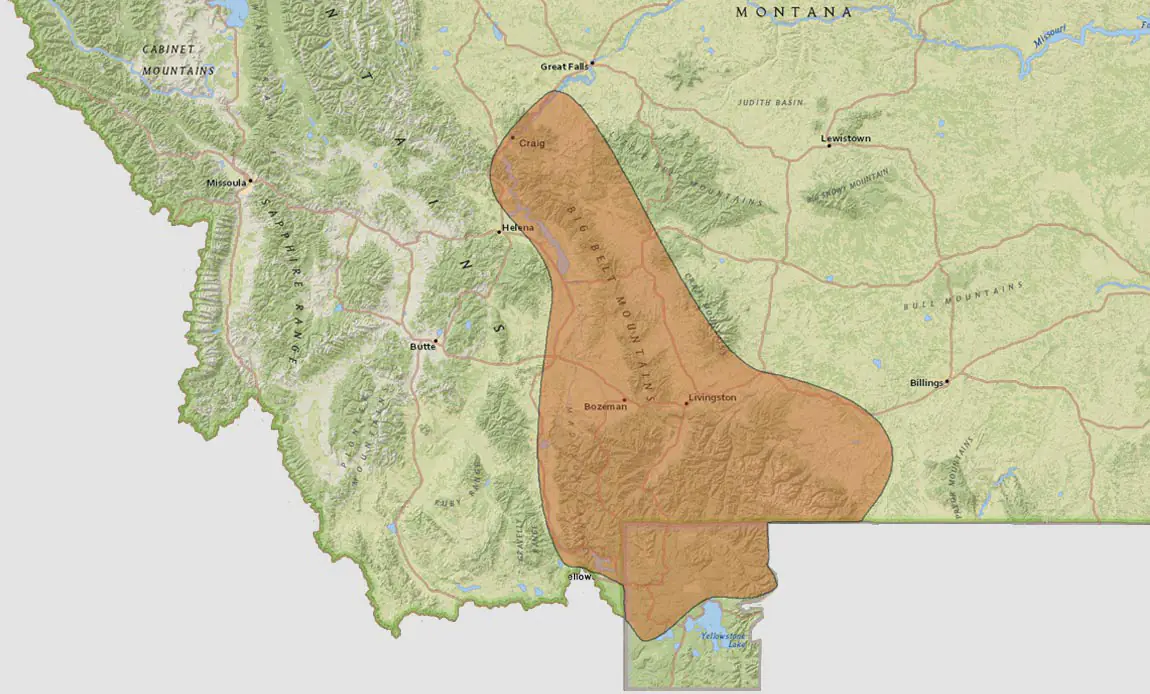
 

ENTIRE RANGE

BOULDER RIVER

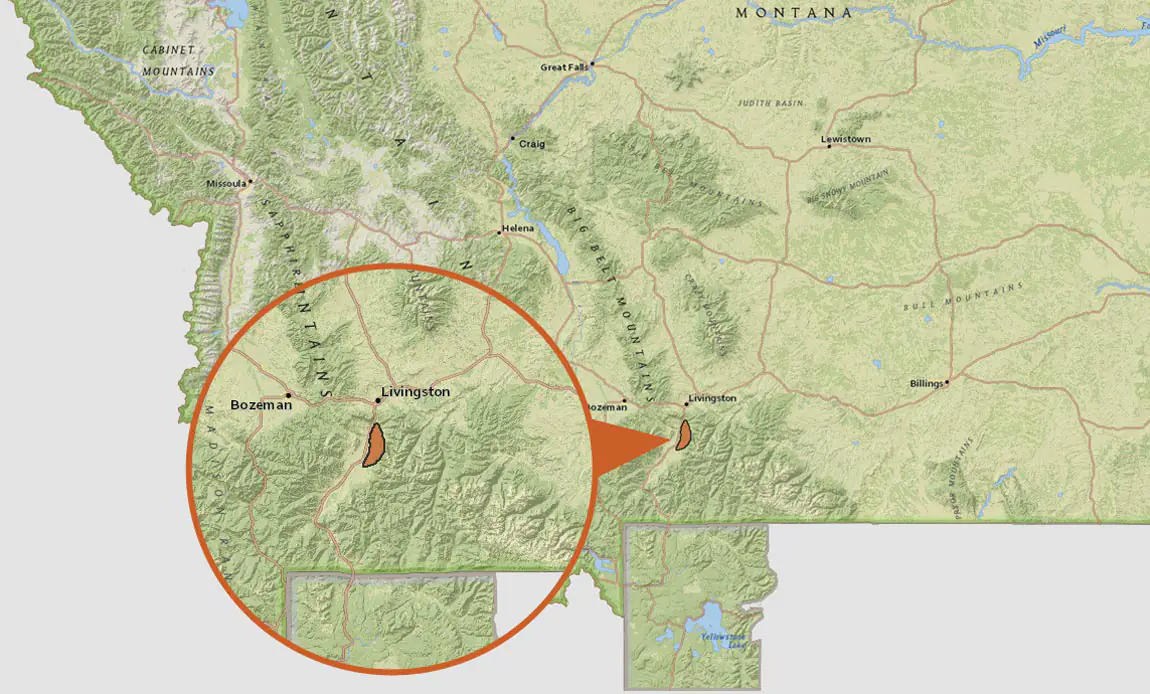
We describe our Boulder River fly fishing trips as half fishing half raft trip – in other words exciting fly fishing.

While your guide expertly rows the raft through class I, II & III rapids you’ll be hitting the pocket water in this fast paced fly fishing adventure. The Boulder River is a Blue Ribbon trout stream with quality rainbow and brown trout. This may be one of the best dry fly small streams in all of Montana. It has unusual purity giving it a unique clarity and beauty. Fly fishing the Boulder River depends on water levels and is typically floatable between late July and early August.

BEST TIME TO FISH THE BOULDER RIVER

  • Jan
  • Feb
  • Mar
  • Apr
  • May
  • June
  • July
  • Aug
  • Sept
  • Oct
  • Nov
  • Dec
Learn More

GALLATIN RIVER

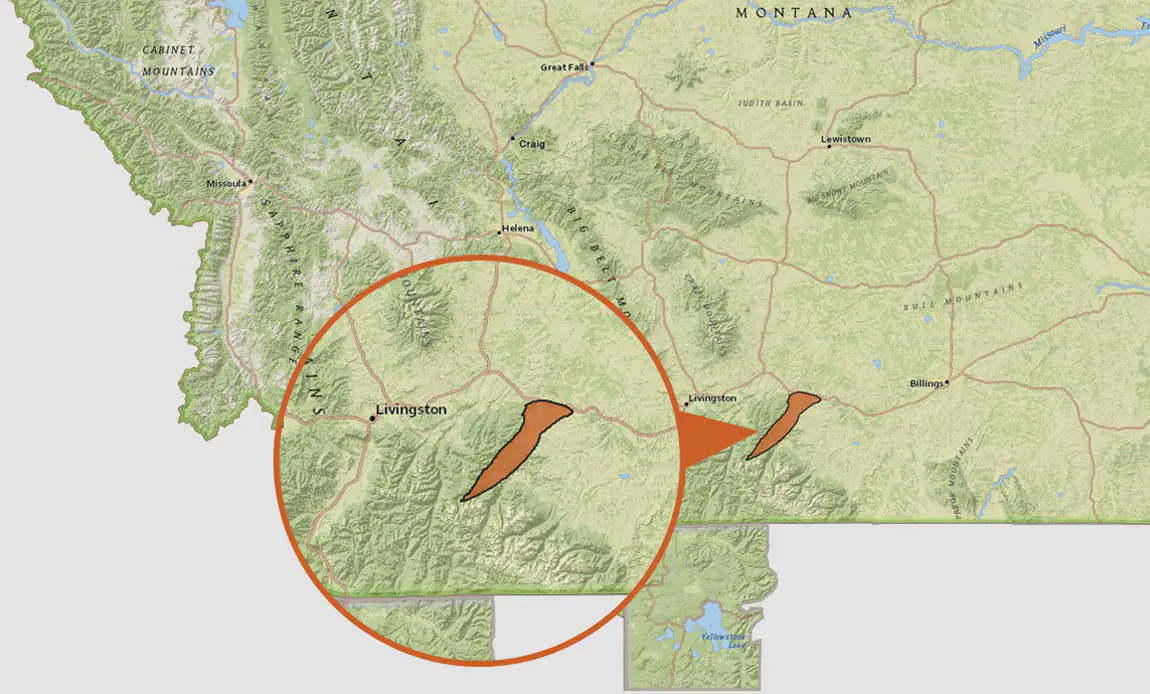
The Gallatin River, near Bozeman Montana is small in size, which to many means little fish, but not so on this hidden gem.

This is a classic small Montana stream with shallow riffles leading to long runs and deep pools with undercut banks. Typically this is a hunting ground for large brown and rainbow trout using streamers and large crawfish patterns. We typically float the Gallatin River in a raft or drift boat due to the many braids and channels – it’s a long day of fishing, but it can be very rewarding for those anglers looking for that 20+ inch trout.

BEST TIME TO FISH THE GALLATIN RIVER

  • Jan
  • Feb
  • Mar
  • Apr
  • May
  • June
  • July
  • Aug
  • Sept
  • Oct
  • Nov
  • Dec
Learn More

MADISON RIVER

Want a famed Madison River fishing trip?

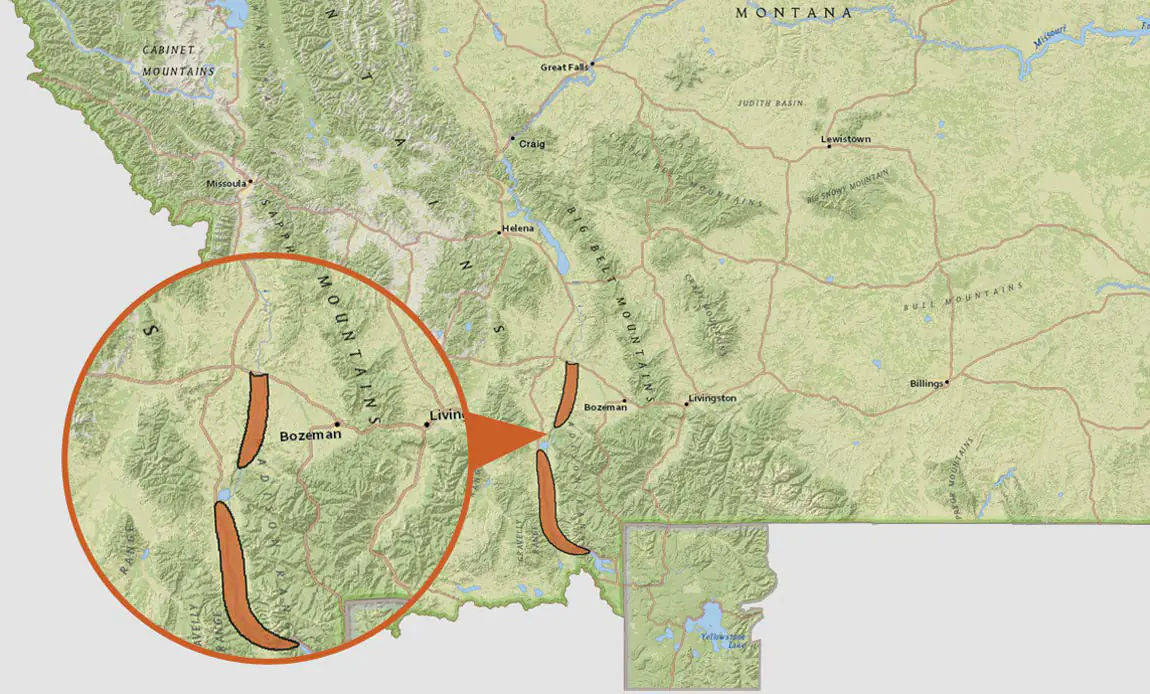
The Madison River originates in Yellowstone National Park and flows nearly 150 miles before joining the headwaters of the Missouri river. The Madison river fishing is divided into the upper stretch and lower stretch each of which seems to be completely different waters. Both the Upper Madison and Lower Madison are some of Montana’s premier wild trout rivers and it has been classified as a “Blue Ribbon” trout stream. Every foot of the river is capable of producing rainbow and brown trout eager to rise to a dry fly, grab a drifting nymph or a swinging streamer.

BEST TIME TO FISH THE MADISON RIVER

  • Jan
  • Feb
  • Mar
  • Apr
  • May
  • June
  • July
  • Aug
  • Sept
  • Oct
  • Nov
  • Dec
Learn More

MISSOURI RIVER

Missouri River Fly Fishing

Join Us for a Missouri River Fishing Trip

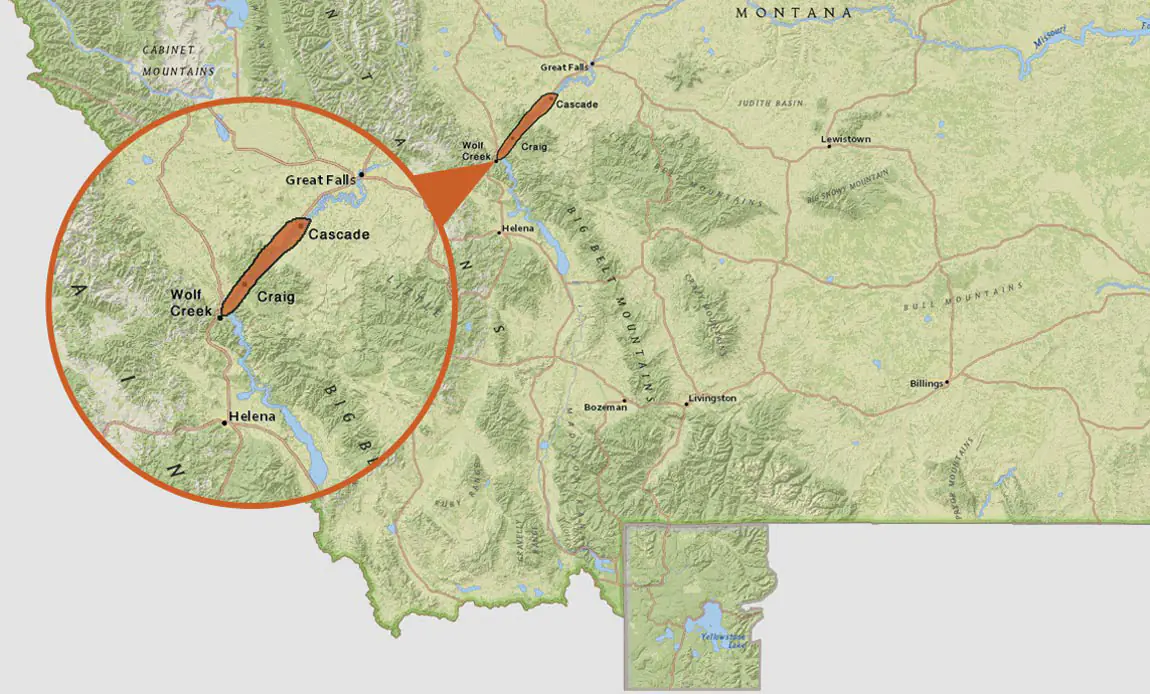
A Missouri River fishing trip is a truly unbelievable home for trout below Holter Lake through the town of Craig and downstream to Cascade, Montana. It boasted the highest trout population in the state of Montana in 2012 with over 8,000 fish per mile and 20′′ fish are common. Obviously, chances of having a good day while Missouri River fishing are high. Not only are the fish numerous, but like most tailwaters the Missouri river is abundant in aquatic bug life, making for exceptional sight and dry fly fishing. We offer this trip only during the best fishing time of the year which is from April until early July and then again in late September into November.

BEST TIME TO FISH THE MISSOURI RIVER

  • Jan
  • Feb
  • Mar
  • Apr
  • May
  • June
  • July
  • Aug
  • Sept
  • Oct
  • Nov
  • Dec
Learn More

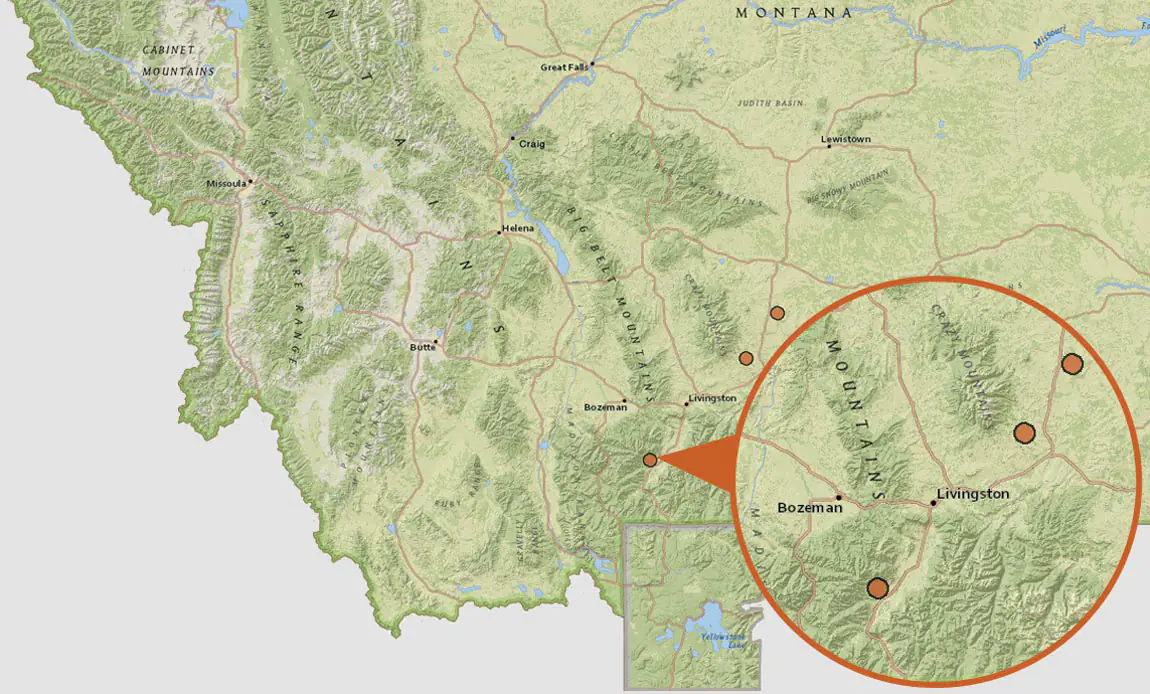
SMITH RIVER

Smith River fly fishing trips can be summed up in almost one word – secluded.

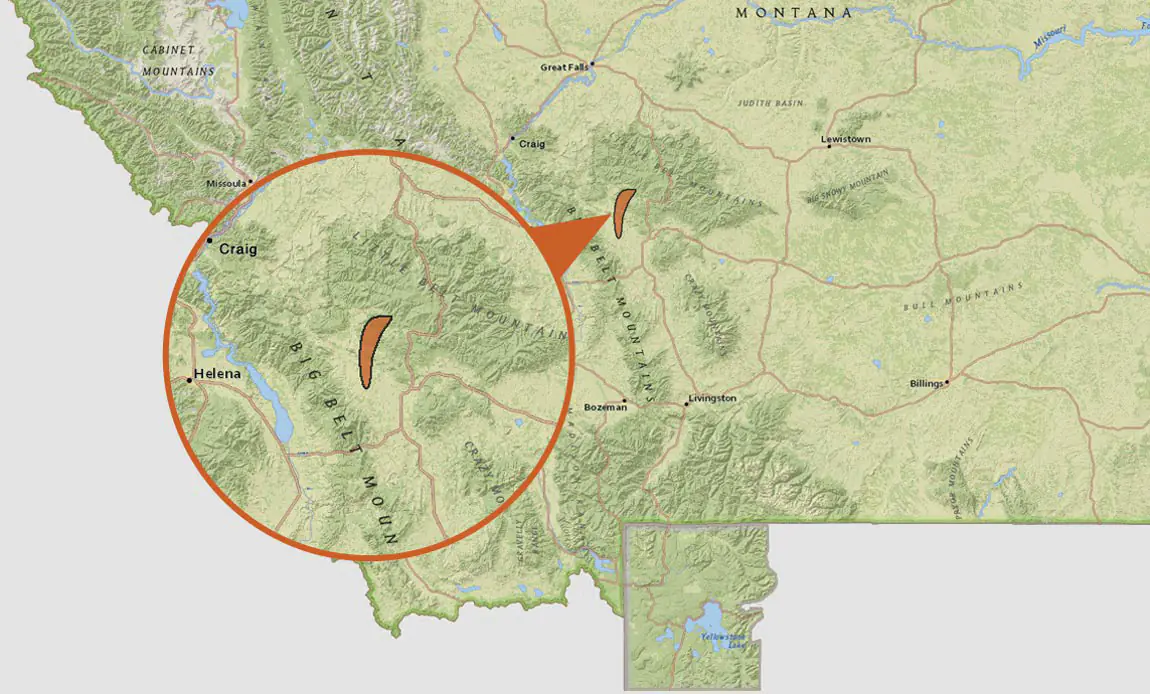
Our Smith River fly fishing trips take place on the upper section of the Smith River, between its origin and above the Smith River Fly Fishing Access Site, flows through gently rolling prairie, flanked by the tall peaks of the Big Belt Mountains and Little Belt Mountains. It is beautiful country, with sweeping wide­ open vistas and incredible views. Other than the small town of White Sulphur Springs, the area is also very remote. Agricultural fields surround the river in this section, with extensive brush along its bank. A number of pools are also found on this stretch. Generally, the Smith River flows at a slow to moderate pace in this section, depending on water levels.

BEST TIME TO FISH THE SMITH RIVER

  • Jan
  • Feb
  • Mar
  • Apr
  • May
  • June
  • July
  • Aug
  • Sept
  • Oct
  • Nov
  • Dec
Learn More

SPRING CREEKS

The Paradise Valley Spring Creeks of Armstrong, DePuy and Nelson should be on every angler’s wish list.

These world famous creeks are a sight fishing wonderland – with consistent hatches of midges, baetis, Pale Morning Duns, and Sulphur’s anglers can test their skills against wary trout. Dry fly fishing, sight-nymphing and reach casts on 6X are useful tools to have in your angling arsenal, but don’t worry if you need a little more practice our guides will teach you these techniques and make you a better angler after just one day! Please make sure to plan ahead as these private locations have limited availability and in prime season reservations can book up to a year in advance.

BEST TIME TO FISH THE SPRING CREEKS

  • Jan
  • Feb
  • Mar
  • Apr
  • May
  • June
  • July
  • Aug
  • Sept
  • Oct
  • Nov
  • Dec
Learn More

STILLWATER RIVER

Don’t let the name fool you, our Stillwater River fishing trips take place on a wild and fast flowing river.

The beautiful Stillwater River begins in the Absaroka ­Beartooth Wilderness and flows north toward the town of Columbus, Montana where fishing access sites are good. Typically fishing this stream starts by mid July and August via rafts, but good wade fishing can also be had in the early spring with very good mayfly hatches starting around early March. This is definitely a dry fly fishing river and fishing this pocket water stream with a big hopper or stonefly pattern can be awesome.

BEST TIME TO FISH THE STILLWATER RIVER

  • Jan
  • Feb
  • Mar
  • Apr
  • May
  • June
  • July
  • Aug
  • Sept
  • Oct
  • Nov
  • Dec
Learn More

TROPHY LAKES

If you’re looking for trophy lake fly fishing trips then you need to check out a couple of the private trophy waters in the Livingston area.

They offer outstanding stillwater fly fishing for rainbows, browns and cutthroat trout. Fly fishing on these trophy lakes is more intense than most anglers realize. Stalking large trout and sight casting to gulpers can give even the most experienced angler the casting jitters. These trophy lakes have prolific hatches of damselflies, Callibaetis mayflies, midges and terrestrials. These lakes are also the ideal starting point for both beginner anglers and those younger anglers looking to bend the rod for the first time.

BEST TIME TO FISH THE TROPHY LAKES

  • Jan
  • Feb
  • Mar
  • Apr
  • May
  • June
  • July
  • Aug
  • Sept
  • Oct
  • Nov
  • Dec
Learn More

YELLOWSTONE RIVER

This is a classic western river and should be on every angler’s life list

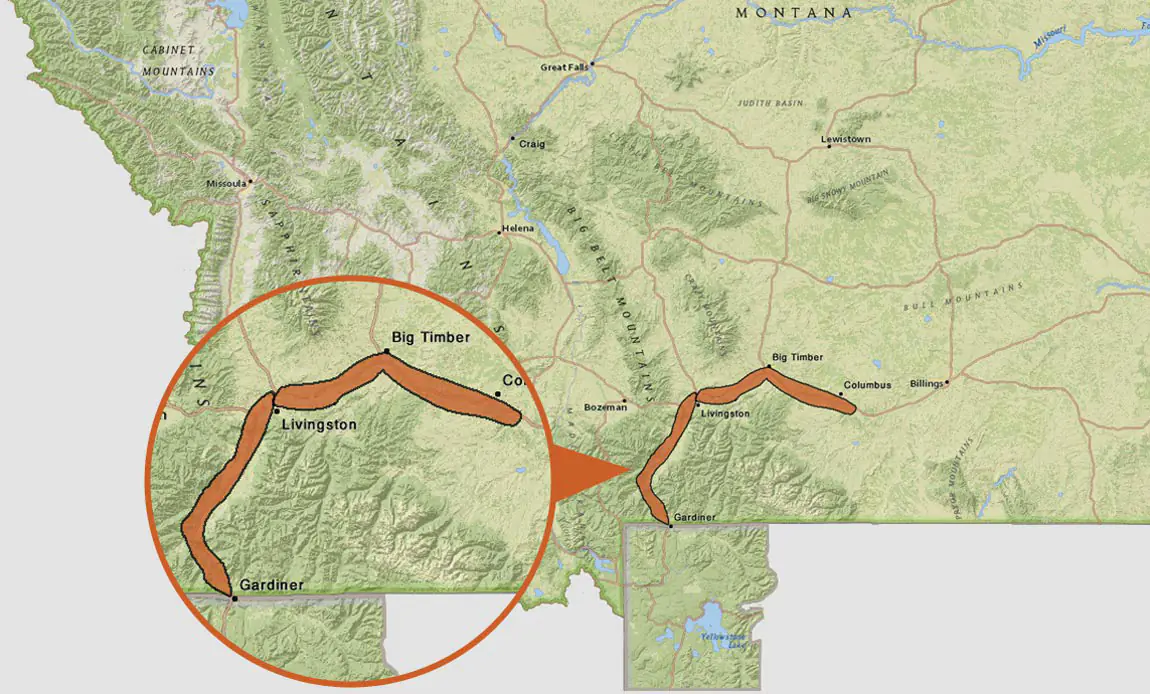
Our Yellowstone River fishing trips include guiding on over 120 miles of blue ribbon trout water starting at Yellowstone National Park. The Yellowstone River is our home water and one of the great fly fishing trout streams of the world. It is the longest undammed river in the lower 48 states, and there is excellent trout water from its tributaries high inside Yellowstone Park, downstream through Gardiner, the Paradise Valley, Livingston, and on to well below Big Timber – a stretch of nearly 150 river miles. We float many different stretches of the prime water between Gardiner and Big Timber, depending on the Yellowstone River fly fishing conditions and water levels.

BEST TIME TO FISH THE YELLOWSTONE RIVER

  • Jan
  • Feb
  • Mar
  • Apr
  • May
  • June
  • July
  • Aug
  • Sept
  • Oct
  • Nov
  • Dec
Learn More

YELLOWSTONE NATIONAL PARK

Fly Fishing in Yellowstone National Park

Our Nation’s first National Park offers some of the most famous fly fishing waters in the country. Slough Creek, Soda Butte Creek, Lamar River, Yellowstone River and many other small streams are all within driving distance of Livingston, Montana. Our Yellowstone Park fly fishing guides have detailed knowledge of the waters in Yellowstone National Park and have spent decades learning these waters. They are pleased to show you some secrets to catching more trout in this amazing environment.

BEST TIME TO FISH YELLOWSTONE NATIONAL PARK

  • Jan
  • Feb
  • Mar
  • Apr
  • May
  • June
  • July
  • Aug
  • Sept
  • Oct
  • Nov
  • Dec
Learn More