webpchecker

Casting Accuracy Part II – Common Mistakes & Solutions

Casting Accuracy Part II – Common Mistakes & Solutions

This is part of a series about Improving your Casting Accuracy – Part I can be found here.

In this post on casting accuracy, we want to eliminate some obvious errors in technique that we see on a daily basis.  If you can fix any of these issues your casting will improve in a single day!

Problem #1 – Breaking your wrist
This is a loop and distance killer.  Remember casting the fly line is all about controlling the line in the air.  So having good loop control starts with not bending/braking your wrist – especially on the back cast.
Solution – if you just can’t seem to fix this is to stick the butt of your rod in your long sleeved shirt.  Try it and you’ll be amazed!

Problem #2 – Bringing the rod back too far on your back cast
Again that’s another loop killer.  Many of our fishing guests come from parts of the country where a windy day is 15 mph.  Well, welcome to the West where that’s pretty much our normal breeze.  Hence the 10 o’clock to 2 o’clock technique taught by many does not work in a stiff wind.  I tell all my beginner anglers that if you can’t see your rod hand in your peripheral vision you are going too far back.  If you must think of it as a clock face then 9:30 to 12:30 would be a better example.
Solution – have someone stand behind you for a few minutes and physically stop your hand if it goes too far back. You can also watch your cast, stopping your hand before it goes too far back.

Problem #3 – Trying to cast too far
This is where all anglers eventually breakdown.  Fortunately, this is easily solved.  It’s as simple as moving closer.  If you can move closer to a trout do it.  Casting 35+ feet for a trout is only for specific scenarios, the closer you can get (without spooking the trout) the better your accuracy will be.  To get distance and accuracy is all about having good technique and practicing at it.
Easy Solutionstop casting too far and move closer!  Remember a 30 foot cast is only about three times as long as your nine foot rod.

Problem #4 – Not practicing or practicing incorrectly
Solution – As we’ll continue to harp on, practice in your yard, driveway or local park after walking the dog.
Better Solution – Move to Montana where you can fish about 9 months a year.  We promise you’ll be an expert caster in just one year.

Problem #5 – arises from the aforementioned ‘solution’ – you get fired from your job, have no money, your girlfriend/wife dumps you, you end up working in a fly shop for pennies and have no time to go fishing.
Solution – just come fishing with us for a few more days a year.
Improving your Casting Accuracy – Part I

Improving your Casting Accuracy – Part I

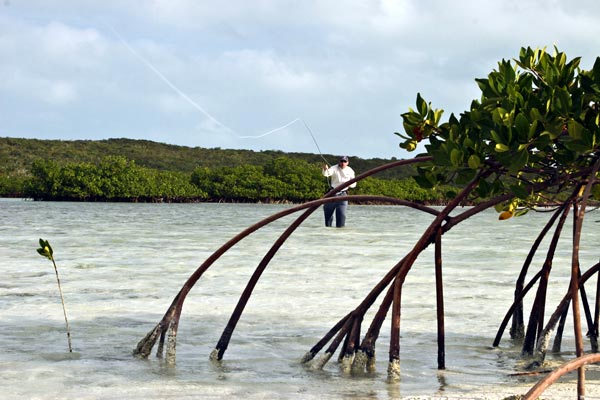
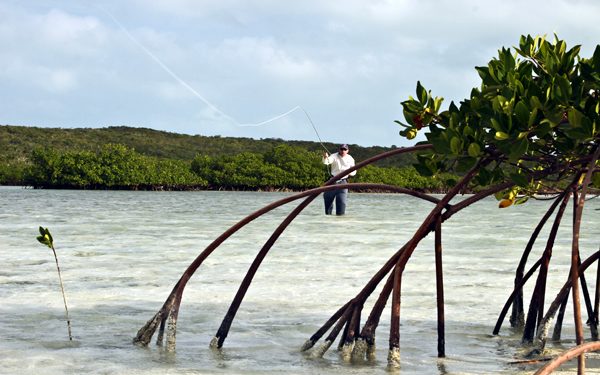
Hunting Bonefish in the Bahamas

What if you could improve your cast to fish hook up ratio?  Unless you just like standing in a river waving a stick, every angler we know would jump on that opportunity.  Several things stand out when you look at a good angler vs. an average angler.  Good anglers maximize their time on the water covering the water effectively.  While it’s not all about numbers of caught fish (remember it’s still really about the experience) we do want to increase our success ratio.  Casting accuracy is one of the primary ways to accomplish that goal.  Here are several thoughts on improving your casting accuracy.

First, no matter where you live you can practice.  We often joke with our fishing clients about their lack of practice.  You don’t have to live on a river or lake to practice – although it doesn’t hurt.  Chances are you live somewhere near an open space of at least 60 feet (30 feet for the forward cast and 30 feet for the backcast).  This can be a parking lot, park, local reservoir, or just your backyard.  Beware if you do this in a public setting get prepared to meet some interesting individuals, most of whom will have some ‘smart’ comment about what you’re trying to catch (our favorite reply is ‘grass-carp’).  Also if you practice on gravel or pavement make sure to get a fly line that you don’t mind ruining.  Gravel and pavement will gradually damage the line.  If you need a practice line most fly shops will give you a demo line for free or very cheap at the end of the season.

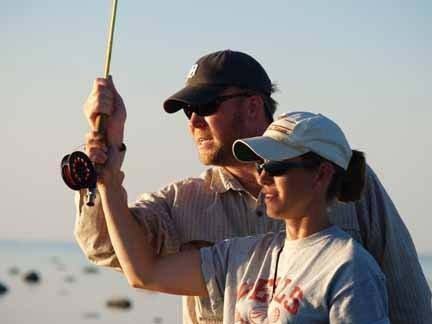
Practicing correctly is crucial; if you practice poorly it won’t help you a bit.  Make sure that you’ve got a good foundation if you’re still in the learning phase stop by your local fly shop and get a lesson or read up on any of the numerous books/videos on the topic.

This is going to be a continuing topic so check in next week as we’ll be posting some casting games and some of the most common mistakes we see.

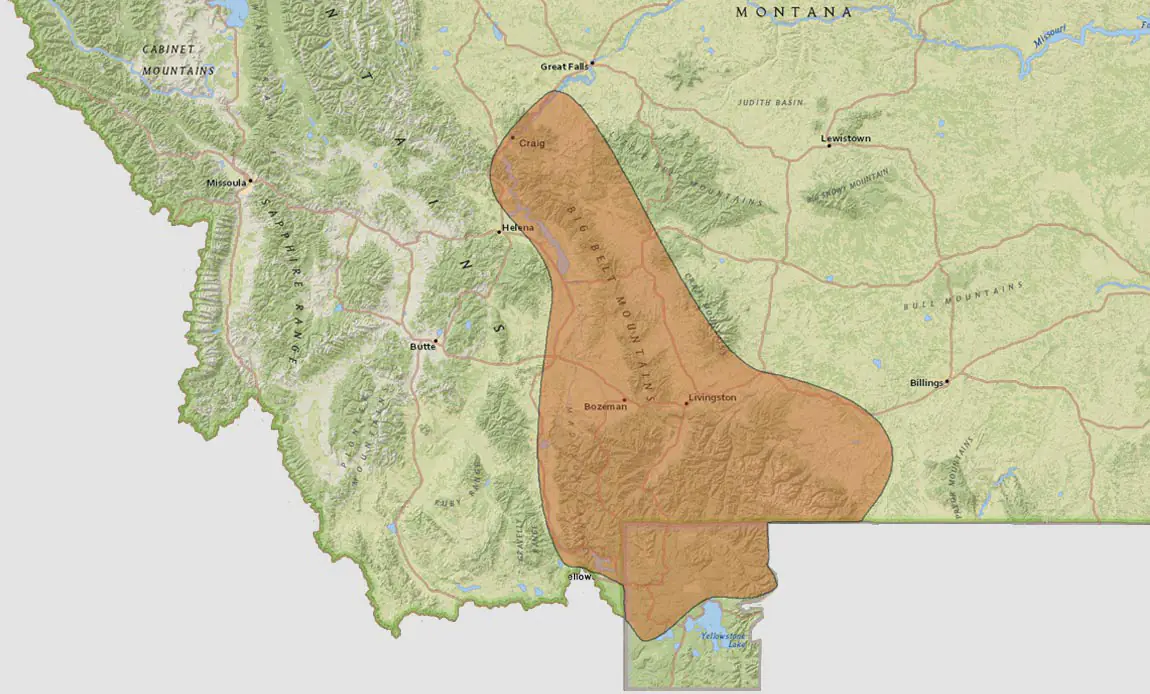
ENTIRE RANGE

BOULDER RIVER

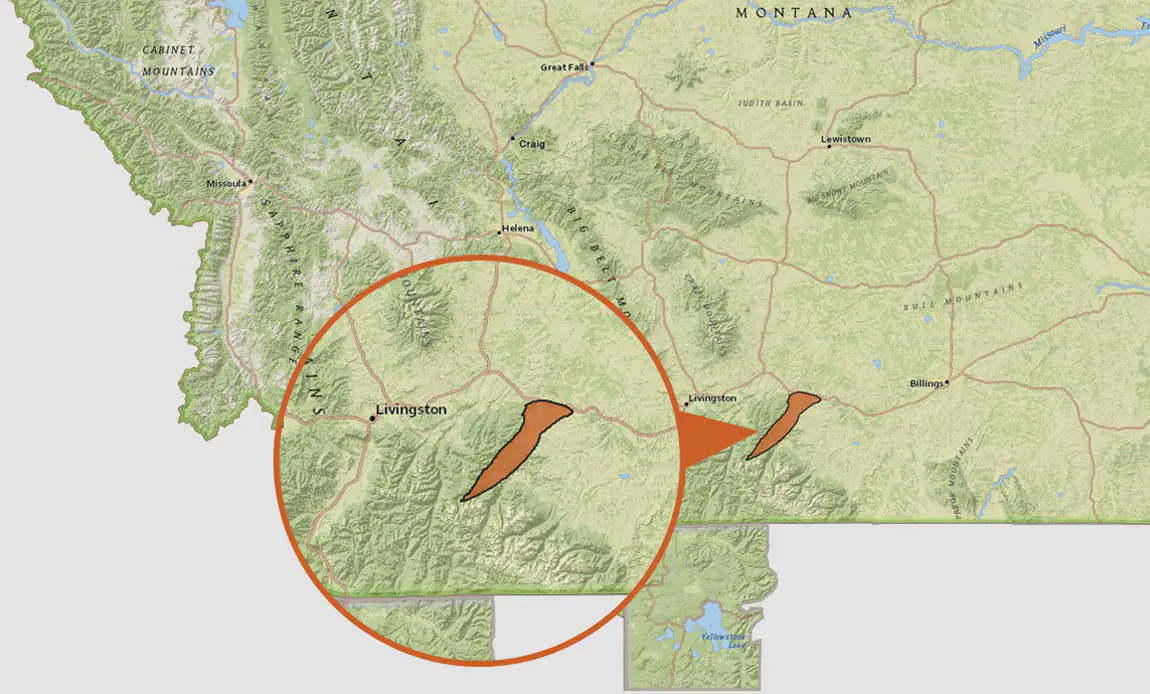
We describe our Boulder River fly fishing trips as half fishing half raft trip – in other words exciting fly fishing.

While your guide expertly rows the raft through class I, II & III rapids you’ll be hitting the pocket water in this fast paced fly fishing adventure. The Boulder River is a Blue Ribbon trout stream with quality rainbow and brown trout. This may be one of the best dry fly small streams in all of Montana. It has unusual purity giving it a unique clarity and beauty. Fly fishing the Boulder River depends on water levels and is typically floatable between late July and early August.

BEST TIME TO FISH THE BOULDER RIVER

  • Jan
  • Feb
  • Mar
  • Apr
  • May
  • June
  • July
  • Aug
  • Sept
  • Oct
  • Nov
  • Dec
Learn More

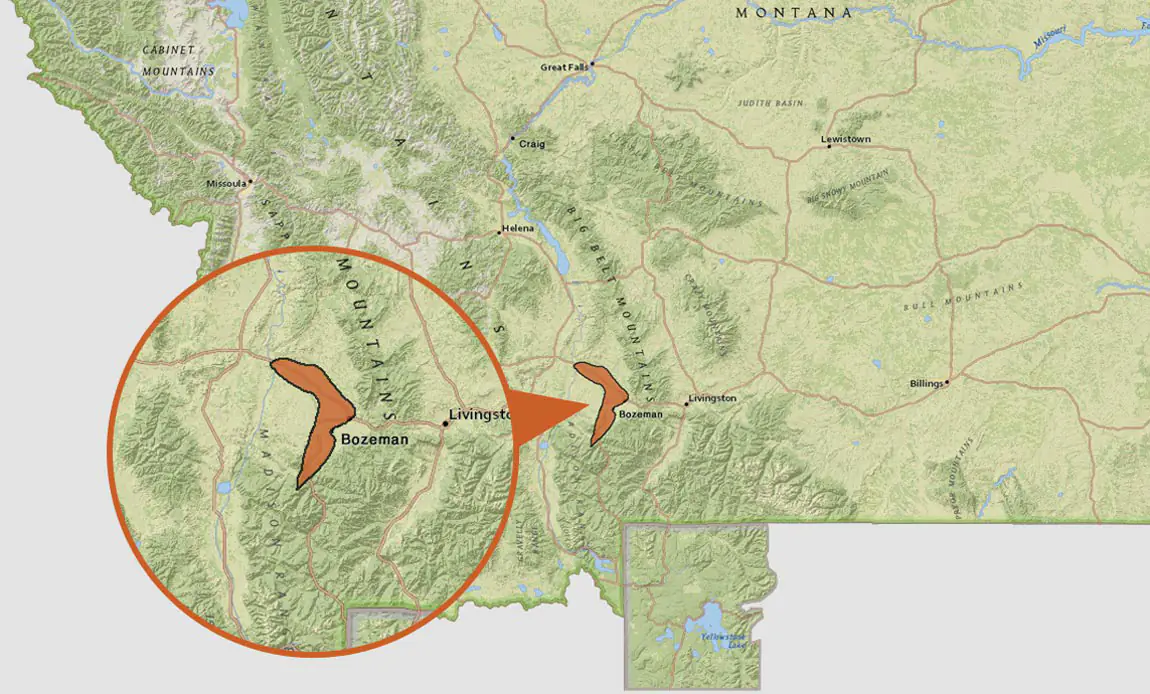
GALLATIN RIVER

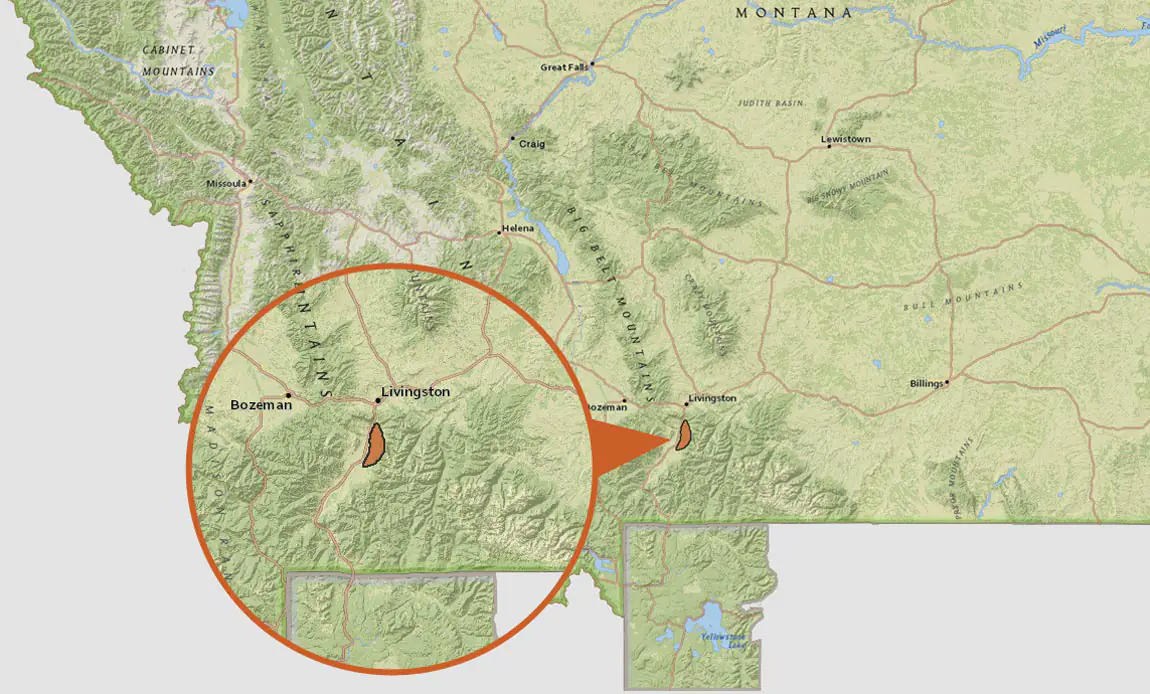
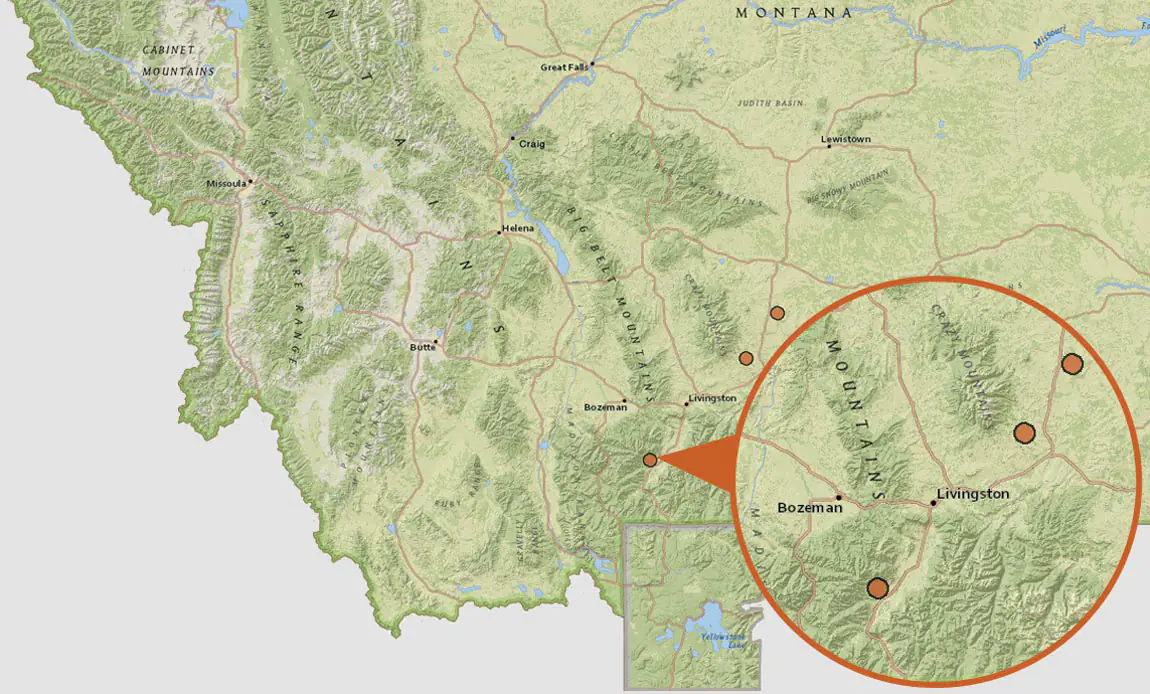
The Gallatin River, near Bozeman Montana is small in size, which to many means little fish, but not so on this hidden gem.

This is a classic small Montana stream with shallow riffles leading to long runs and deep pools with undercut banks. Typically this is a hunting ground for large brown and rainbow trout using streamers and large crawfish patterns. We typically float the Gallatin River in a raft or drift boat due to the many braids and channels – it’s a long day of fishing, but it can be very rewarding for those anglers looking for that 20+ inch trout.

BEST TIME TO FISH THE GALLATIN RIVER

  • Jan
  • Feb
  • Mar
  • Apr
  • May
  • June
  • July
  • Aug
  • Sept
  • Oct
  • Nov
  • Dec
Learn More

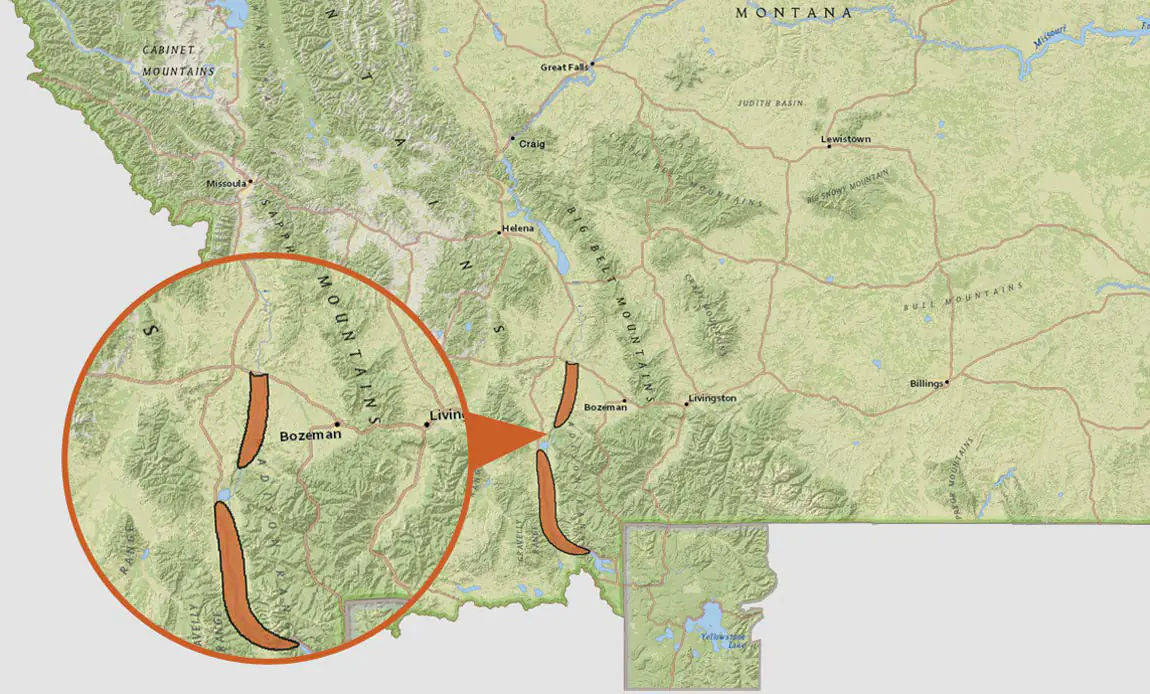
MADISON RIVER

Want a famed Madison River fishing trip?

The Madison River originates in Yellowstone National Park and flows nearly 150 miles before joining the headwaters of the Missouri river. The Madison river fishing is divided into the upper stretch and lower stretch each of which seems to be completely different waters. Both the Upper Madison and Lower Madison are some of Montana’s premier wild trout rivers and it has been classified as a “Blue Ribbon” trout stream. Every foot of the river is capable of producing rainbow and brown trout eager to rise to a dry fly, grab a drifting nymph or a swinging streamer.

BEST TIME TO FISH THE MADISON RIVER

  • Jan
  • Feb
  • Mar
  • Apr
  • May
  • June
  • July
  • Aug
  • Sept
  • Oct
  • Nov
  • Dec
Learn More

MISSOURI RIVER

Missouri River Fly Fishing

Join Us for a Missouri River Fishing Trip

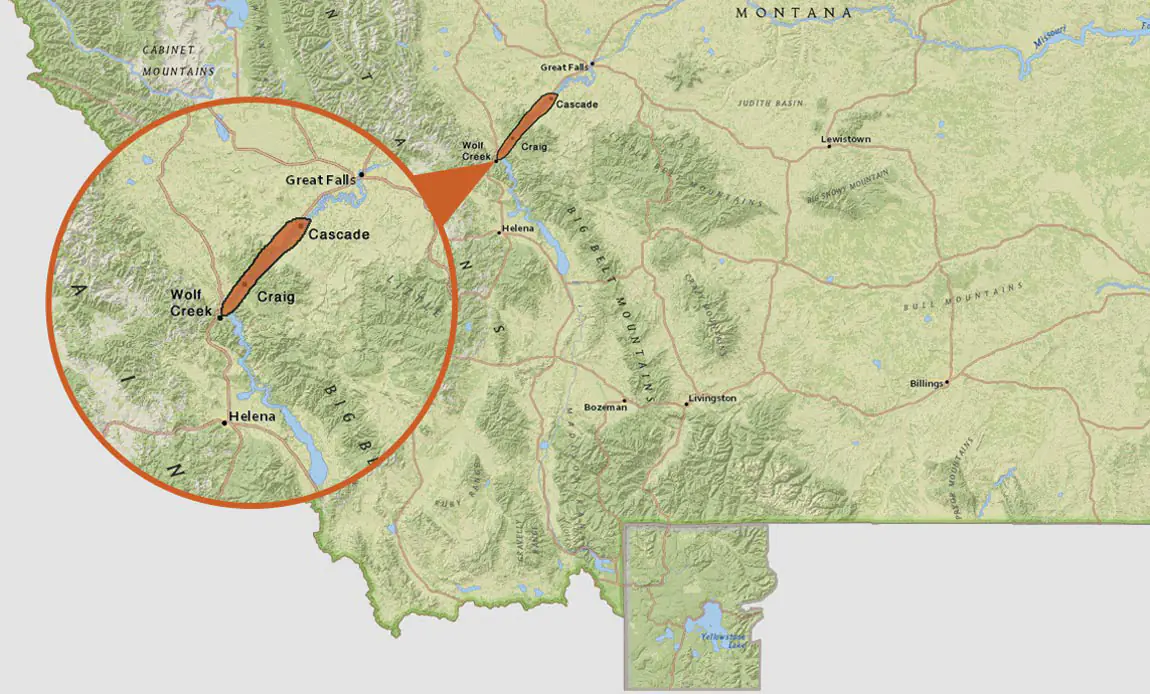
A Missouri River fishing trip is a truly unbelievable home for trout below Holter Lake through the town of Craig and downstream to Cascade, Montana. It boasted the highest trout population in the state of Montana in 2012 with over 8,000 fish per mile and 20′′ fish are common. Obviously, chances of having a good day while Missouri River fishing are high. Not only are the fish numerous, but like most tailwaters the Missouri river is abundant in aquatic bug life, making for exceptional sight and dry fly fishing. We offer this trip only during the best fishing time of the year which is from April until early July and then again in late September into November.

BEST TIME TO FISH THE MISSOURI RIVER

  • Jan
  • Feb
  • Mar
  • Apr
  • May
  • June
  • July
  • Aug
  • Sept
  • Oct
  • Nov
  • Dec
Learn More

SMITH RIVER

Smith River fly fishing trips can be summed up in almost one word – secluded.

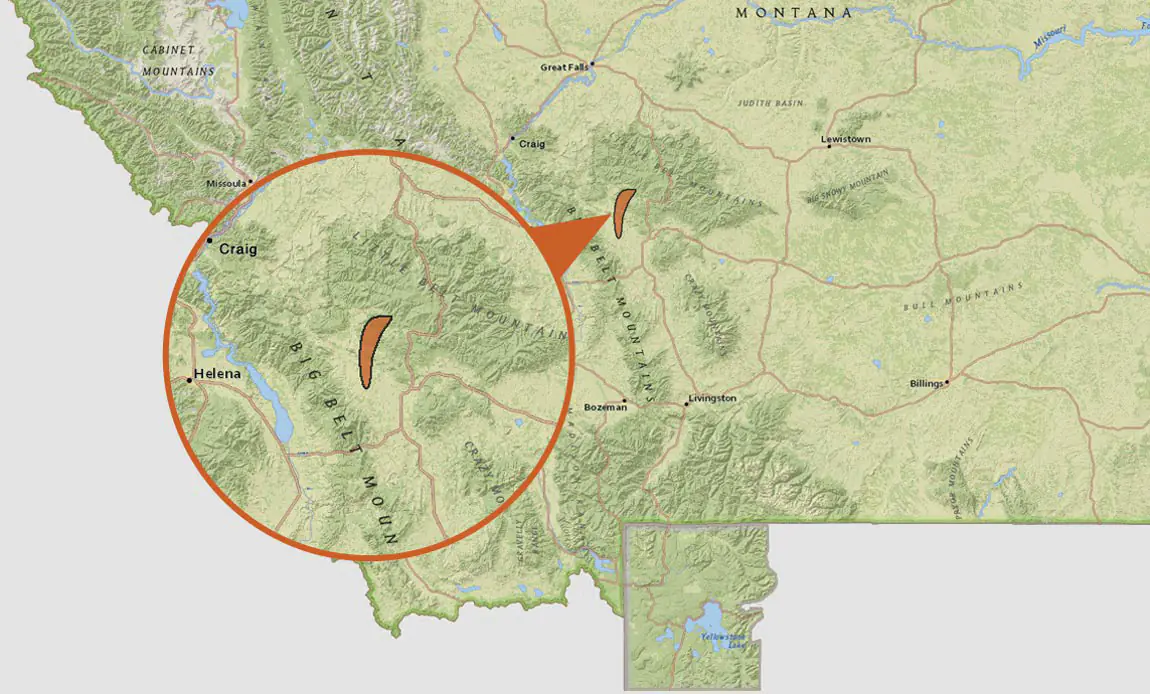
Our Smith River fly fishing trips take place on the upper section of the Smith River, between its origin and above the Smith River Fly Fishing Access Site, flows through gently rolling prairie, flanked by the tall peaks of the Big Belt Mountains and Little Belt Mountains. It is beautiful country, with sweeping wide­ open vistas and incredible views. Other than the small town of White Sulphur Springs, the area is also very remote. Agricultural fields surround the river in this section, with extensive brush along its bank. A number of pools are also found on this stretch. Generally, the Smith River flows at a slow to moderate pace in this section, depending on water levels.

BEST TIME TO FISH THE SMITH RIVER

  • Jan
  • Feb
  • Mar
  • Apr
  • May
  • June
  • July
  • Aug
  • Sept
  • Oct
  • Nov
  • Dec
Learn More

SPRING CREEKS

The Paradise Valley Spring Creeks of Armstrong, DePuy and Nelson should be on every angler’s wish list.

These world famous creeks are a sight fishing wonderland – with consistent hatches of midges, baetis, Pale Morning Duns, and Sulphur’s anglers can test their skills against wary trout. Dry fly fishing, sight-nymphing and reach casts on 6X are useful tools to have in your angling arsenal, but don’t worry if you need a little more practice our guides will teach you these techniques and make you a better angler after just one day! Please make sure to plan ahead as these private locations have limited availability and in prime season reservations can book up to a year in advance.

BEST TIME TO FISH THE SPRING CREEKS

  • Jan
  • Feb
  • Mar
  • Apr
  • May
  • June
  • July
  • Aug
  • Sept
  • Oct
  • Nov
  • Dec
Learn More

STILLWATER RIVER

Don’t let the name fool you, our Stillwater River fishing trips take place on a wild and fast flowing river.

The beautiful Stillwater River begins in the Absaroka ­Beartooth Wilderness and flows north toward the town of Columbus, Montana where fishing access sites are good. Typically fishing this stream starts by mid July and August via rafts, but good wade fishing can also be had in the early spring with very good mayfly hatches starting around early March. This is definitely a dry fly fishing river and fishing this pocket water stream with a big hopper or stonefly pattern can be awesome.

BEST TIME TO FISH THE STILLWATER RIVER

  • Jan
  • Feb
  • Mar
  • Apr
  • May
  • June
  • July
  • Aug
  • Sept
  • Oct
  • Nov
  • Dec
Learn More

TROPHY LAKES

If you’re looking for trophy lake fly fishing trips then you need to check out a couple of the private trophy waters in the Livingston area.

They offer outstanding stillwater fly fishing for rainbows, browns and cutthroat trout. Fly fishing on these trophy lakes is more intense than most anglers realize. Stalking large trout and sight casting to gulpers can give even the most experienced angler the casting jitters. These trophy lakes have prolific hatches of damselflies, Callibaetis mayflies, midges and terrestrials. These lakes are also the ideal starting point for both beginner anglers and those younger anglers looking to bend the rod for the first time.

BEST TIME TO FISH THE TROPHY LAKES

  • Jan
  • Feb
  • Mar
  • Apr
  • May
  • June
  • July
  • Aug
  • Sept
  • Oct
  • Nov
  • Dec
Learn More

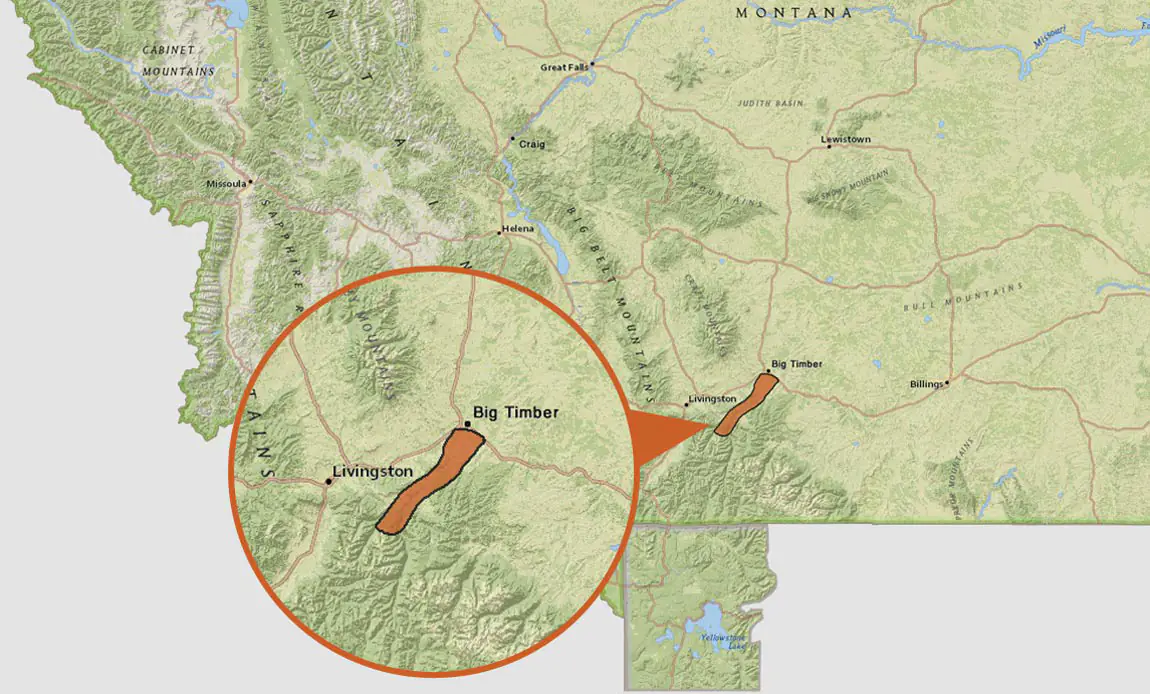
YELLOWSTONE RIVER

This is a classic western river and should be on every angler’s life list

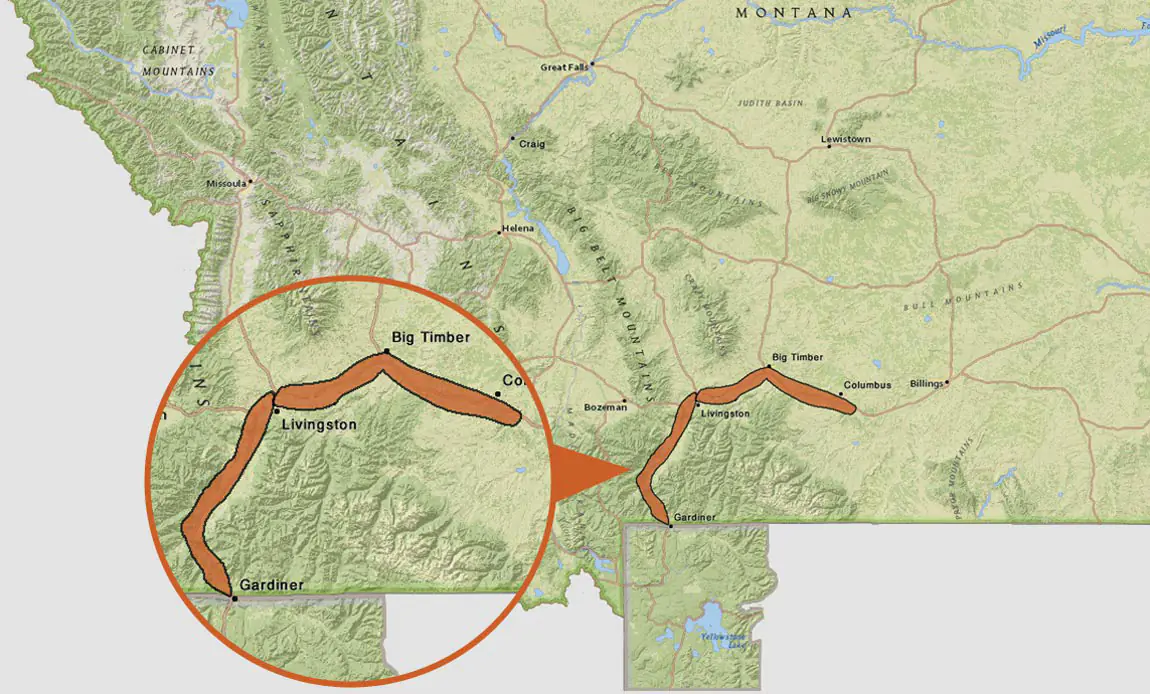
Our Yellowstone River fishing trips include guiding on over 120 miles of blue ribbon trout water starting at Yellowstone National Park. The Yellowstone River is our home water and one of the great fly fishing trout streams of the world. It is the longest undammed river in the lower 48 states, and there is excellent trout water from its tributaries high inside Yellowstone Park, downstream through Gardiner, the Paradise Valley, Livingston, and on to well below Big Timber – a stretch of nearly 150 river miles. We float many different stretches of the prime water between Gardiner and Big Timber, depending on the Yellowstone River fly fishing conditions and water levels.

BEST TIME TO FISH THE YELLOWSTONE RIVER

  • Jan
  • Feb
  • Mar
  • Apr
  • May
  • June
  • July
  • Aug
  • Sept
  • Oct
  • Nov
  • Dec
Learn More

YELLOWSTONE NATIONAL PARK

Fly Fishing in Yellowstone National Park

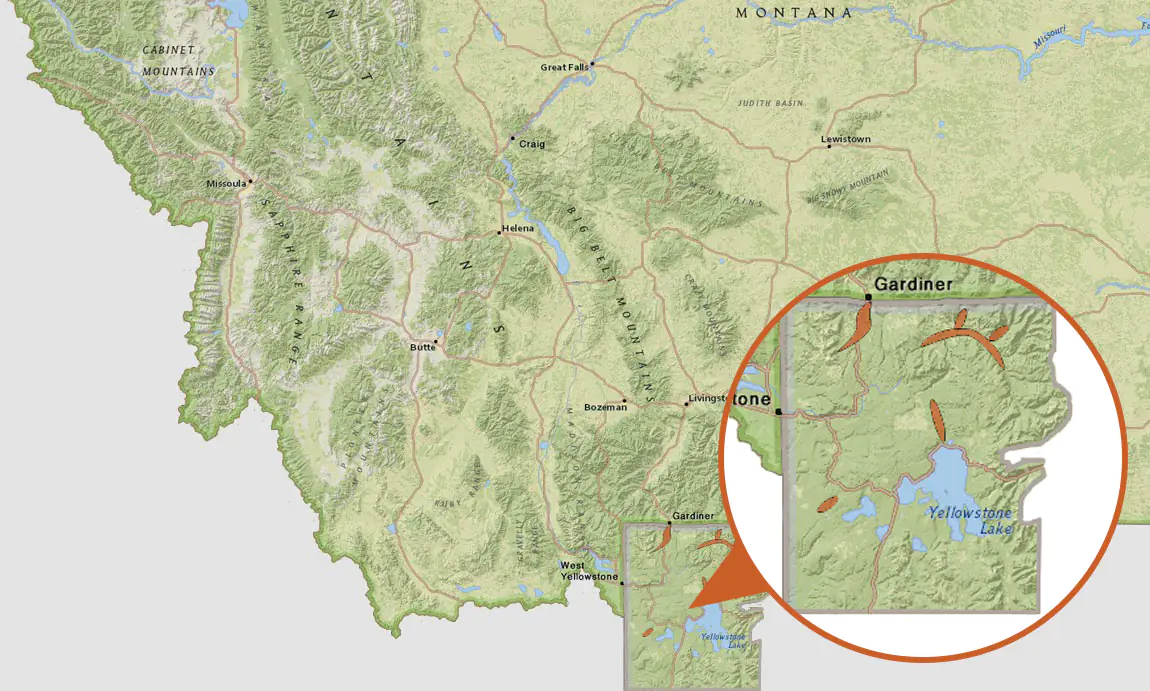
Our Nation’s first National Park offers some of the most famous fly fishing waters in the country. Slough Creek, Soda Butte Creek, Lamar River, Yellowstone River and many other small streams are all within driving distance of Livingston, Montana. Our Yellowstone Park fly fishing guides have detailed knowledge of the waters in Yellowstone National Park and have spent decades learning these waters. They are pleased to show you some secrets to catching more trout in this amazing environment.

BEST TIME TO FISH YELLOWSTONE NATIONAL PARK

  • Jan
  • Feb
  • Mar
  • Apr
  • May
  • June
  • July
  • Aug
  • Sept
  • Oct
  • Nov
  • Dec
Learn More